William Collins
Founder of Future Me Now
“Be You”
Everyone carries a story about who they are.
We begin constructing it long before we understand that we are doing so. It is assembled from what happened to us, what other people told us, what our families needed us to be, what our culture rewarded, what religion named as good or bad, and the conclusions we drew from experiences we were too young or overwhelmed to understand.
Eventually, the story can become so familiar that we stop experiencing it as a story. It becomes reality.

I am difficult to love. I am disappointing. I am not enough. Something is wrong with me. I cannot trust myself. My desires are dangerous. I need someone else to tell me who I am. I have to become something different before I am worthy of belonging.

Religion can give these conclusions theological authority, but religion is hardly the only place we acquire them. They can emerge from rejection, shame, abandonment, family systems, cultural expectations, relationships, institutions, or moments of pain in which we made enduring conclusions about ourselves from circumstances we could barely comprehend.
The important question is no longer simply, “Is my story positive or negative?” The deeper question is: Does this story still correspond to reality?

That is where self-authorship begins.
Self-authorship does not mean inventing a more flattering version of yourself. It does not require replacing “I am worthless” with “I am magnificent” and trying harder to believe it. That can become another story we feel obligated to perform.
The work is more fundamental. We learn to distinguish what actually belongs to our experience from what has been interpreted for us. We notice the inherited language running through our minds. We become curious about where our judgments originated and whose interests they served. We discover that some of what we have called our identity is actually adaptation, conditioning, expectation, fear, or survival.
And slowly, authority begins returning to us.
Pay attention to the commentary inside your head, but do not automatically treat it as truth. Notice the di=erence between what you are actually experiencing and what you have learned to say about that experience.
Question definitions of yourself that arrived before you were capable of consenting to them. You are allowed to reconsider identities, expectations, obligations, and judgments that other people handed you.
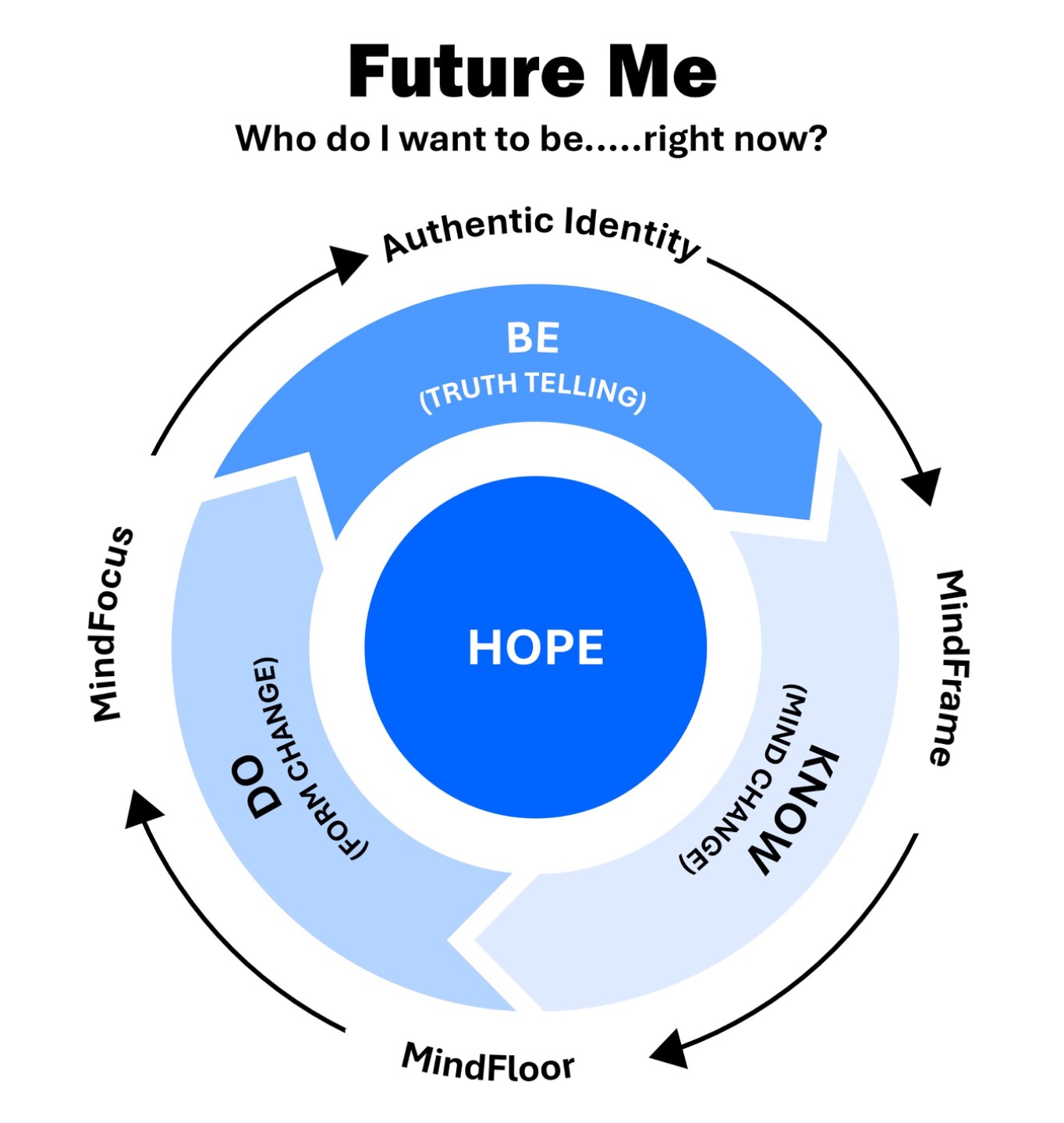
Become less invested in maintaining the version of yourself that secured belonging. Authenticity is not another identity to perform. It is the increasing willingness to live without abandoning yourself in order to remain acceptable.
Take seriously what you actually encounter within yourself—your values, desires, limits, questions, intuitions, contradictions, grief, curiosity, and sense of what matters—without assuming that every feeling is an instruction or that someone else possesses greater authority over your life than you do.
Most importantly, return to reality.
Before deciding what your life means, inhabit it. Before judging yourself, notice yourself. Before reaching for another explanation of who you are, become acquainted with the human being who is actually here.
You do not need to spend the rest of your life obeying conclusions you reached about yourself in circumstances that no longer exist.
And you do not necessarily need a new story.
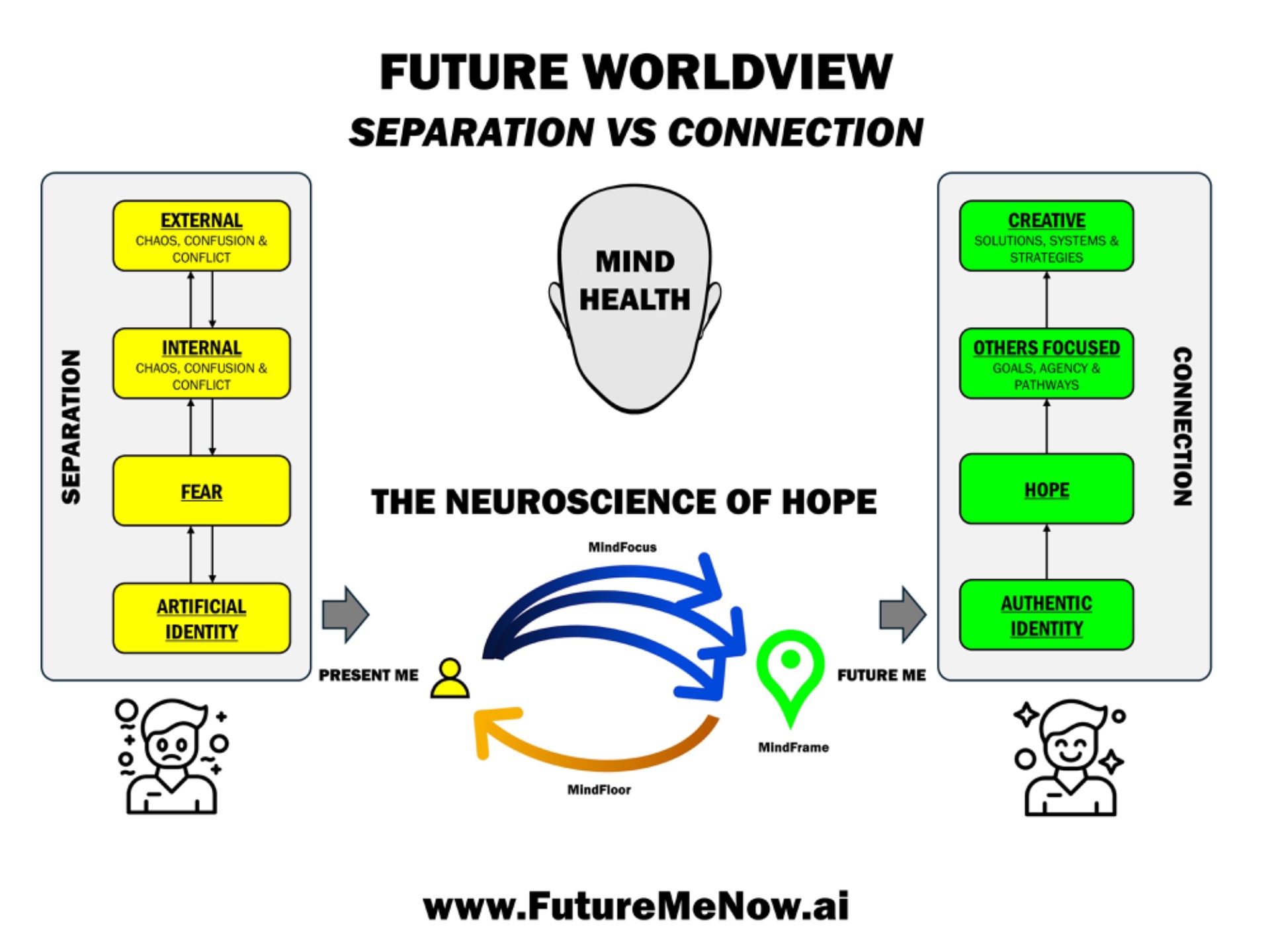
You may need a different relationship with stories altogether—one in which they help you make meaning without becoming prisons, illuminate your experience without replacing it, and remain accountable to the life you are actually living.
That is more than rewriting your story. It is recovering your authorship.